
Uneven texture is a surface defect caused by unreasonable tool path planning or fluctuations in cutting parameters during CNC machining. It manifests as cutting marks or ripples of varying depths on the surface.
In modern manufacturing, CNC lathe processing demands high-precision machining of complex internal cavity structures, including deep holes, stepped holes, internal conical surfaces, internal threads, internal grooves, and even non-circular cross-sections.
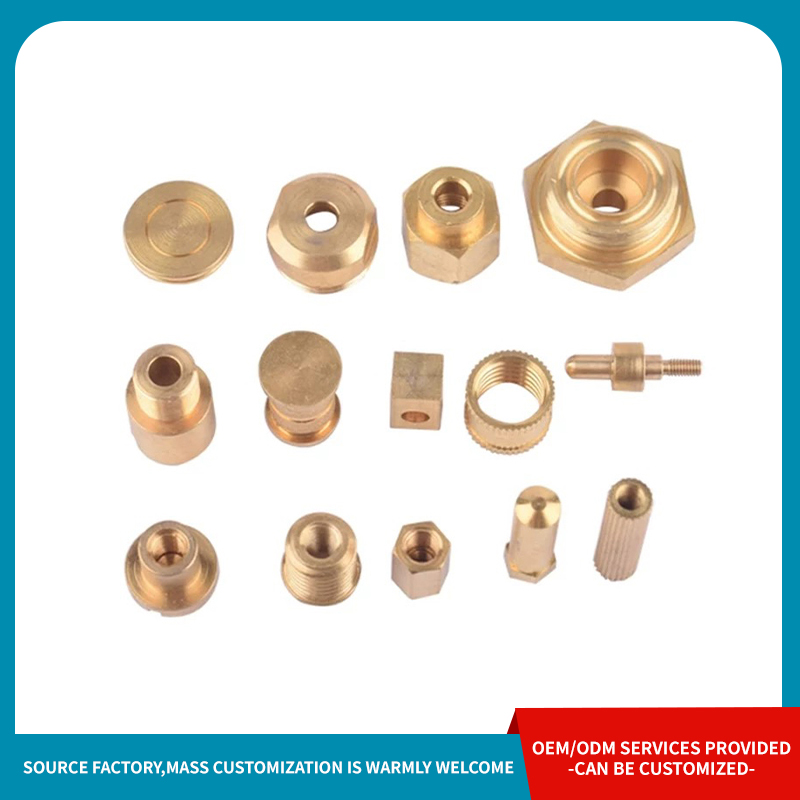
In fields such as machinery, electronics, instrumentation, valves and pipe fittings, and even art production, copper and its alloys have always held an irreplaceable position due to their excellent electrical and thermal conductivity, corrosion resistance
From kitchen utensils to medical devices, from building facades to chemical equipment, 304 metal stainless steel processing is ubiquitous. However, this "rust-free" characteristic is not inherently perfect; it is fully activated and strengthened through r
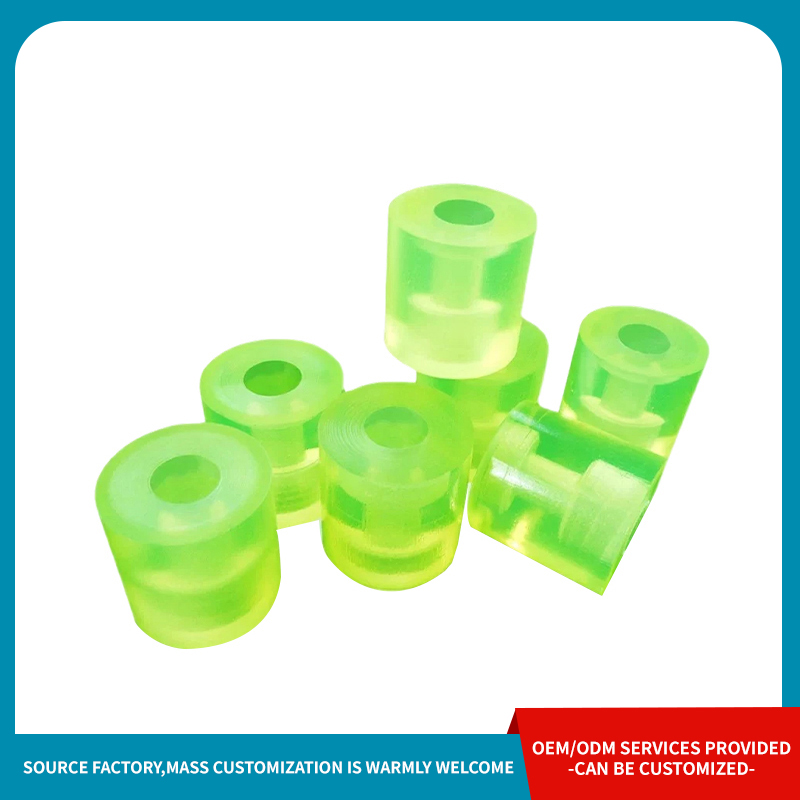
Collisions and impacts are ubiquitous in industrial equipment, automated systems, and even everyday mechanical structures. Whether it's the sudden stop of a workpiece on a conveyor line, the precise positioning of a robot arm, or the instantaneous closing
In modern manufacturing, copper and brass are widely used in electronic connectors, precision sensors, high-end valves, cooling components, and industrial automation equipment due to their excellent electrical and thermal conductivity, ductility, and corr